2025 Annual Report

Table of Contents
Cover art designed by Jessica Russell for the 2025 Disability Pride Art Contest
Letter from our CEO
Dear Friends and Colleagues,
Every year, I am reminded that disability rights work changes lives in profound and deeply human ways. These pages contain just a few examples of the extraordinary work undertaken by DRM over the past year, and yet this 2025 report captures a year marked by fierce advocacy and hard-won victories.
As we reflect on 2025, we must acknowledge the uncertainty facing the disability community in Maine and across the country. Federal funding for life-saving disability advocacy services, including those provided by DRM, remains under threat. Proposed changes to Medicaid could devastate state budgets and place home- and community-based services at risk — the very services that have finally enabled people with disabilities to live independently, to work, and to be a part of our communities.
When programs that promote independence and community inclusion are weakened, the consequences are profound. We risk returning to a time when people with disabilities were segregated, institutionalized, and denied freedom, autonomy, dignity, and opportunity. At the same time, ongoing efforts to restrict access to voting continue to disproportionately disenfranchise people with disabilities, undermining one of our most fundamental civil rights.
But this letter is not one of despair. It is a reminder of the strength, resilience, and growing power of the disability community and our allies.
Last spring, DRM organized a statewide sign-on effort urging Maine’s congressional delegation to protect disability advocacy services. The response was extraordinary: every member of Maine’s Senate, many members of the Maine House, more than 30 organizations, and over 2,300 individual Mainers signed on to our letter of support.
This year also brought a landmark victory in Maine. The disability community showed up in force to support legislation ending the planned use of restraints on people with intellectual and developmental disabilities — and that legislation passed. This historic achievement affirms a simple but profound truth: every person deserves dignity, safety, and freedom from abuse.
We also gathered and shared stories that celebrated the power of community inclusion, reminding the public that people with disabilities are not invisible, disposable, or “other.” We are here. We belong. And we are not going anywhere.
If 2025 taught us anything, it is that the work of dismantling systemic barriers and advancing disability rights remains as urgent as ever. But it also reminded us that progress is possible when people come together with courage, persistence, and hope.
I remain enormously grateful to work alongside DRM’s remarkable staff, whose intelligence, compassion, and determination create real and lasting change in the lives of the people we serve. I also extend my deepest thanks to our Board of Directors, funders, partners, supporters, and clients. Your trust, advocacy, and partnership make this work possible and remind us every day why this fight matters.
With gratitude,
Kim Moody

Chief Executive Officer
Andrew R. Sarapas, Esq.
Board President

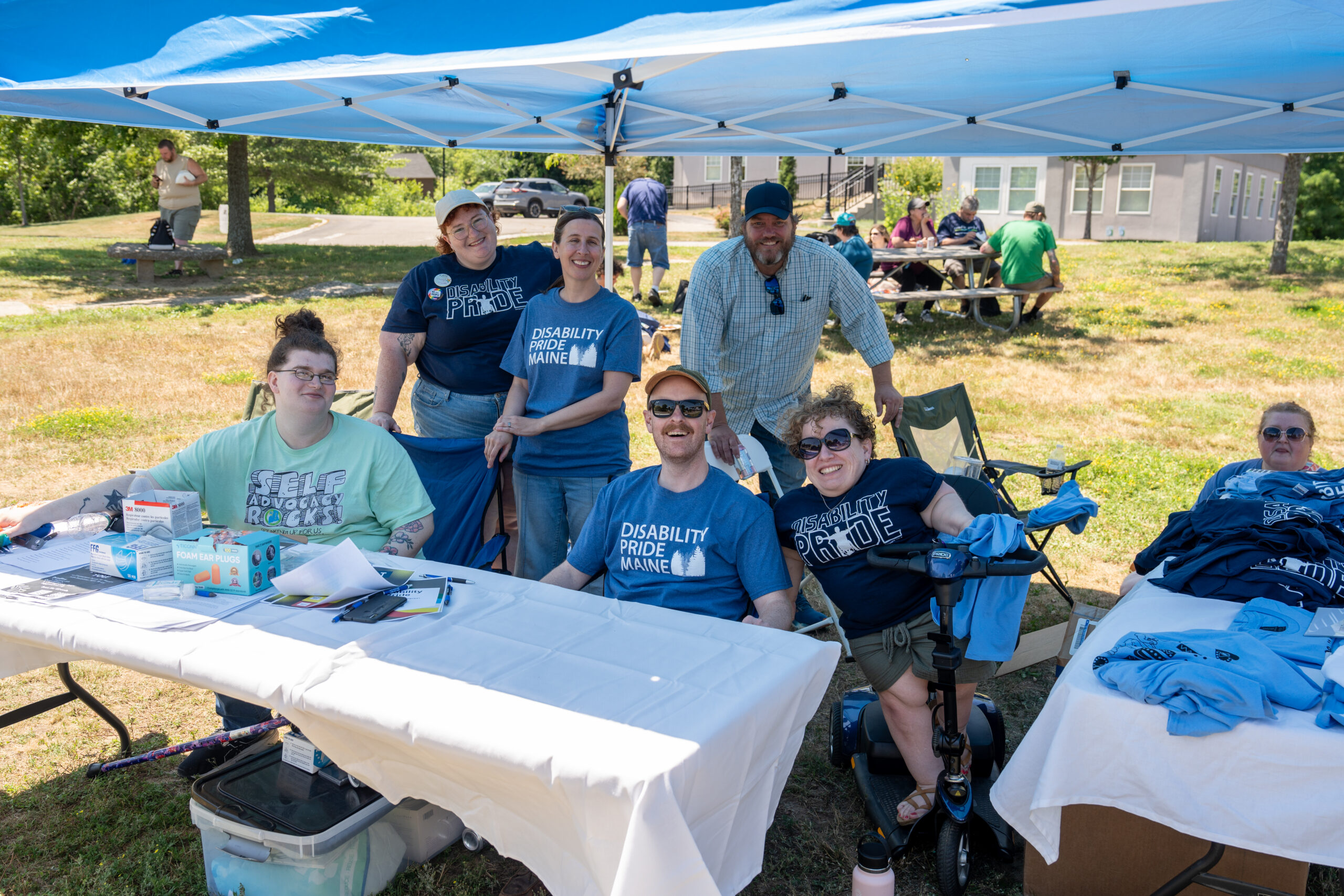
Board President Andrew Sarapas and Chief Executive Officer Kim Moody at Disability Pride.
Disability Rights Maine is supported by funding from:
the Administration on Disabilities
the Center for Mental Health Services
the Rehabilitation Services Administration
the Social Security Administration
the Maine Civil Legal Services Fund Commission
the Maine Department of Health and Human Services
the Maine Department of Labor
the Bingham Program
the Maine Health Access Foundation
the Sam L. Cohen Foundation
the Point32 Health Foundation
the U.S. Department of Justice Office on Violence Against Women
Individual and corporate donations
DRM would like to thank the individuals, businesses and organizations whose generosity enables our work.
Eliminating the Planned Use of Restraints
A warning to readers that this article contains descriptions of abuse.
On June 12, 2025, Governor Janet Mills signed L.D. 769, An Act Regarding Access to Behavioral Health Supports for Adults with Certain Disabilities, into law.
This landmark civil rights legislation eliminated the use of planned restraints for adults with developmental disabilities as of April 1, 2026.
For far too long, people have believed that individuals with developmental disabilities are different in a way that justifies the use of restraints as part of their treatment. This is simply not true. Restraints are harmful, and they sanction a culture of violence that has no place in a system designed to support and empower people with disabilities.
The harm caused by restraints extends far beyond the immediate physical and emotional trauma. Restraints blur the line between protection and abuse, creating a system in which individuals with disabilities are expected to accept that being physically controlled—even assaulted—is sometimes “for their own good.”
This is a major civil rights victory for people with developmental disabilities in Maine. The system has long normalized practices that would never be accepted for people without disabilities. Ending these restraints will have a profound impact not only on the people who were directly subjected to them, but also on the many others who lived with the trauma, fear, and anxiety of witnessing restraints used against the people around them or worrying that they could be next. This law represents an important step toward a service system grounded in dignity, safety, respect, and true community inclusion.
DRM’s Developmental Disabilities Team will monitor providers’ compliance with the law to ensure individuals receive the protections and rights the law guarantees.
This important policy change would not have been possible without the dedication and leadership of selfadvocates. When the Maine Office of Aging and Disability Services (OADS) convened listening sessions about the behavior management process, it was the stories of experiences of being forcibly restrained told by survivors that prompted the department to ultimately bring forward this legislation.
Margaret Cardoza of Portland is one of those self-advocates. A survivor of ableism, institutionalization, seclusion, and both chemical and physical restraints, Margaret has used the power of storytelling to turn her trauma into systemic change.
DRM spoke with Margaret to discuss why this legislation matters to her and what self-advocates want to see happen as it is implemented.
The following are excerpts from that interview.
DRM: Can you take us through the background that informs this legislation?
M: When Pineland closed in 1996, nobody addressed the abuse that took place there. And while my institutional experience was not at Pineland, one institution is the same as any other.
It was finally decades later, in early 2021, that the State asked survivors to share their experiences.
But, because our abuse had been silenced and repressed for so long, talking about it was very hard. Fortunately, DRM gathered a few people willing to share our experiences with the State, myself included, and helped us prepare. We developed tools and techniques to reduce the feeling of reliving our trauma. For me, I like to think of these as anchors – something that keeps me steady, secure, and grounded in the present.
Some of the stories were more historic, like mine, while others detailed experiences of violent abuse in current facilities. Ultimately, the State was so moved by what advocates shared that they brought forward legislation to end the planned use of restraints.
DRM: Can you talk about the experience of testifying on this legislation?
M: First, the fire alarms were going off. Talk about a trigger. Here we are as victims, testifying about our history of abuse and the use of restraints, with lots of loud noise around us. And then, on top of that, we had to listen to those who opposed the legislation.
People were defending it or saying it should be the professional’s call. As someone who has experienced restraint, it was awful to listen to. So often we hear the refrain of “we need to restrain people because so and so is going to run into the road”. First, how many times is that really an issue, and second, and more importantly, that is not the reality of when people are being restrained.
Ultimately, the Committee supported the Bill. One legislator shared that our testimony was the most emotional and moving experience of her career.
And then I was part of the group working on policy to implement the law.
DRM: How long have you worked on this issue?
M: For decades, really.
Since the 1990s, I’ve worked with others to share their story and take back their life. And we needed a critical mass of people who were willing to share.
For me, the bottom line is that if you want to serve individuals effectively, you need permission from that person, which was not my own experience.
DRM: What does it mean for you that this legislation passed?
M: To me, it means freedom.
It means gaining a willingness to believe someone is going to help you without hurting you, and that you will be getting help in a way that is healthy.
DRM: Do you have any concerns about its implementation?
M: Yes – people are set in their ways and the bottom line is that it will take time to change attitudes and processes. And I worry about that. Direct care staff will need training and exposure to alternative responses to support people. And self-advocates will need accessible and accommodating trauma care therapy to recover from experiences with restraints.
But this law demonstrates the best part of sharing our stories. We can break through to people and change attitudes and systems.
And we can use those stories to remind professionals that, despite their education or credentials, we are still the ones in charge.
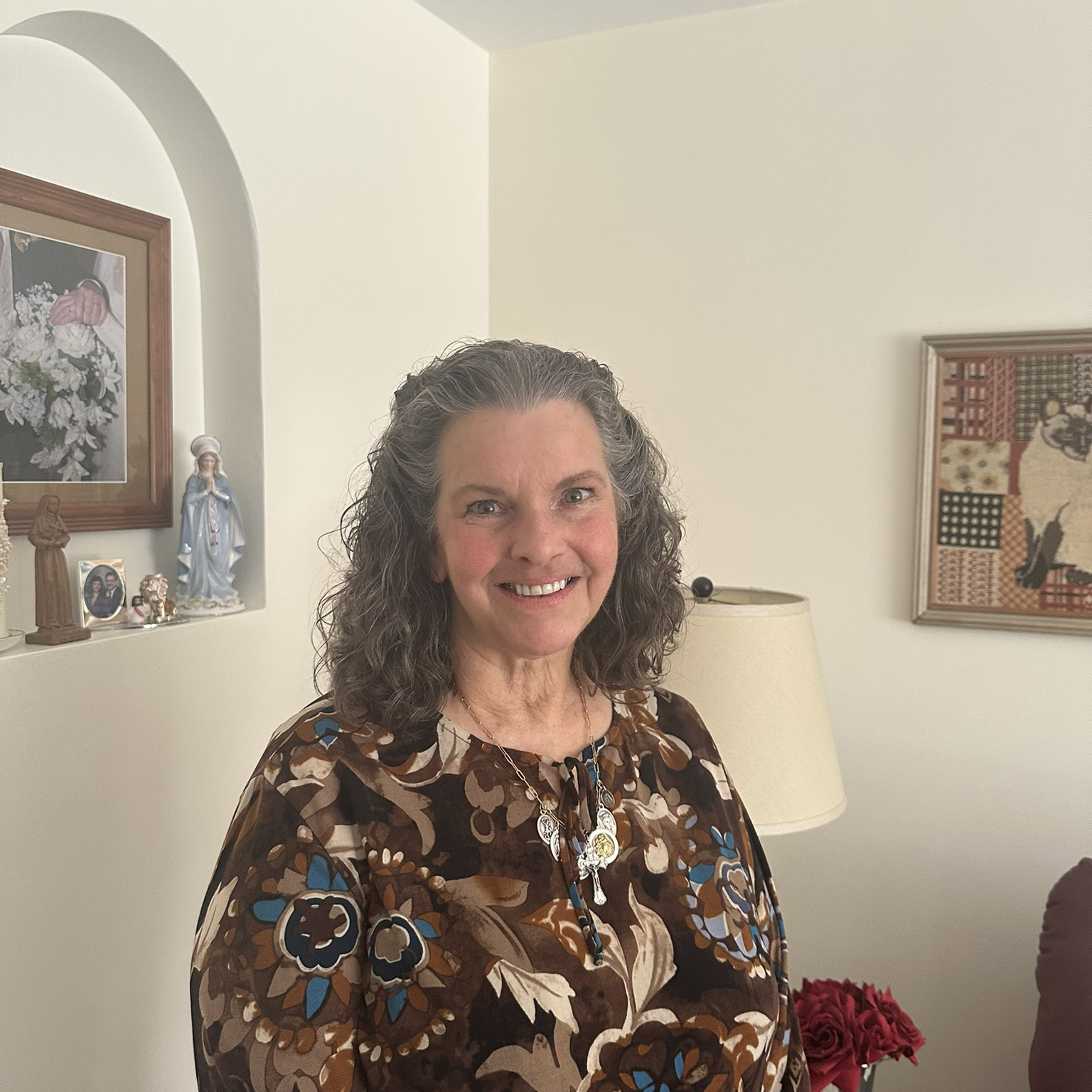
Margaret Cardoza
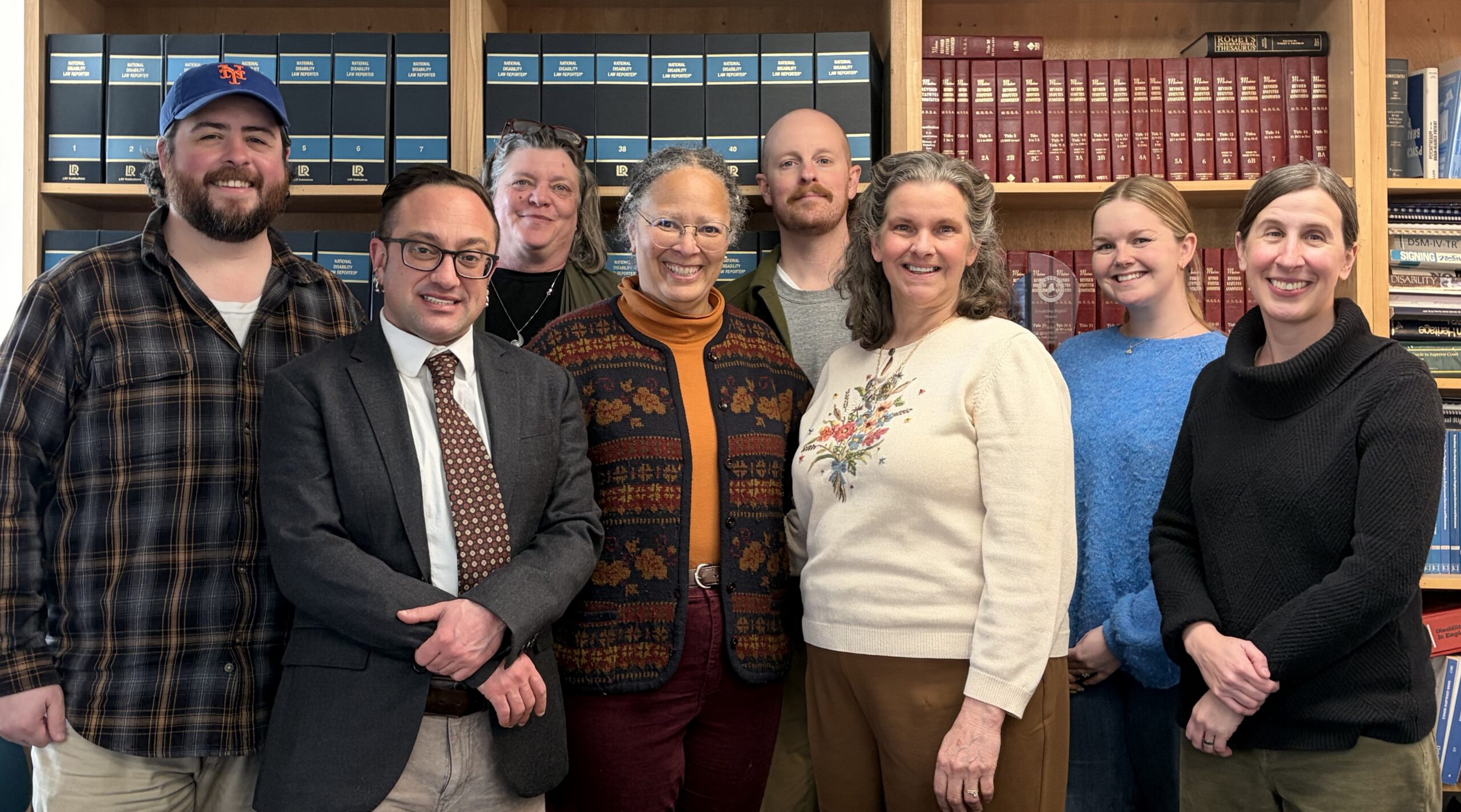
Margaret with the Disability Rights Maine
PADD & DSA Team
Advocacy in Action
Student Maintains Services Needed to Graduate from College
A college student with a physical disability contacted DRM to request assistance with appealing a reduction of personal support services. The young person relied upon personal support staff to assist him with carrying out nearly all activities of daily living, and the reduction would have been so drastic that it would have required him to quit school in his final year of college. A DRM attorney represented the client in requesting a reasonable accommodation to exceed the monetary cap on services. Because of DRM’s assistance, the Department reconsidered and offered the client 95% of the hours he had been receiving, thus allowing him to finish an internship and graduate from college.
Complaint Results in Domestic Violence Shelter Becoming More Accessible
A woman with multiple disabilities contacted DRM seeking assistance with a reasonable accommodation at a shelter for survivors of domestic violence. She required certain accommodations due to mobility issues, and the staff made statements questioning the client’s disability when she made the requests. When a DRM advocate investigated, she discovered that the shelter had no policy outlining how people could make accommodation requests, nor did they have a grievance policy. The advocate supported our client at a meeting, which resulted in significant systemic, procedural, and interpersonal changes at the shelter, as well as their ongoing treatment of people with disabilities.
Hospital Enacts Policy Changes to Improve Communication Access
After several Deaf and Hard of Hearing people reported difficulties receiving ASL interpreters and other communication accommodations at a local hospital, DRM advocated for improvements. These efforts resulted in the hospital developing and implementing a 10-point plan to address specific issues. The plan included improving access for Deaf and Hard of Hearing patients, training staff, hiring a Language Access Coordinator, and modifying their electronic record system to create alerts in patient charts for interpretation or other accommodation needs.
Systemic Complaint Ensures Student Access to a Full School Day
DRM heard from several families in one central Maine school district that their children were being denied access to a full school day or to any school at all due to a purported lack of resources. In response, ORM filed a systemic complaint against the District with the Maine Department of Education.
After DRM filed the complaint, all students connected with DRM were provided access to a full school day, and the resolution agreement ensures that students are not denied this access moving forward.
Poll Monitoring Results in Six State Complaints, 19 Remedies
During the General Election, DRM visited 210 polling places to assess compliance with the Americans with Disabilities Act and the Help America Vote Act (HAVA). After reviewing the data, DRM determined there were seven polling places with serious potential violations of HAVA. One polling place was reported to the Department of Justice, while six additional complaints were filed with the Maine Secretary of State. All state complaints were resolved in DRM’s favor and resulted in remedies, including additional mandatory training for town clerks and new policies for technical concerns and servicing of the Accessible Voting System (AVS). These policy changes and trainings will continue to improve statewide access to the polls for Mainers with disabilities.
Celebrating Community Impact
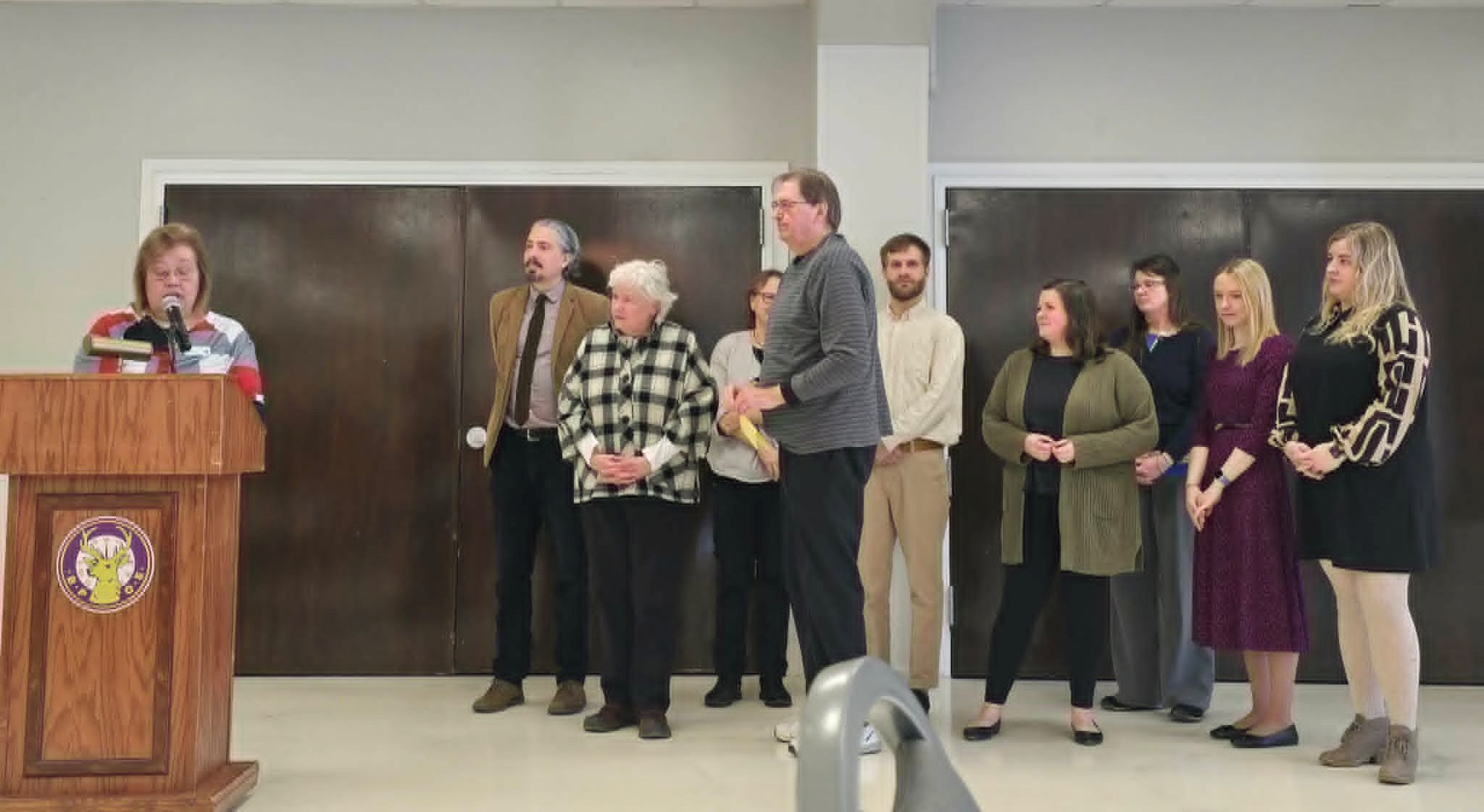
In 2025, DRM and its staff received three major awards that uniquely recognized our work to defend the rights of individuals with disabilities.
Consumer Council System of Maine Circle of Support Award
In January 2025, DRM’s Mental Health Advocacy team was recognized by our partners at the Consumer Council System of Maine with their Circle of Support Award. This award recognized DRM’s leadership in advancing the rights of people with psychiatric labels under the stewardship of CEO Kim Moody and Program Director Mark Joyce, Esq. It further celebrated the team’s passion and dedication to fight battles, big and small, for peers across the system.
National Disability Rights Network (NDRN) Advocacy Award
DRM received the 2025 NDRN Advocacy Award for our outstanding work on behalf of Social Security beneficiaries with representative payees. During thecourse of an investigation in rural northern Maine, Project Director Meghan Ryan identified a horrible case of not only financial exploitation, but also abuse and neglect. The beneficiary was completely isolated and likely would have remained that way, if not for DRM. DRM stopped the financial abuse by the current representative payee and the new payee linked the individual with resources in their community. They were ultimately able to move to a new, safe living situation and live the life they wanted. It is cases like this that are why DRM does this work, reviewing representative payees statewide. We were proud to be recognized within the Protection & Advocacy network.

Maine Children’s Alliance Champion for Children Educator Award
DRM Managing Attorney Atlee Reilly, Esq. received statewide recognition for his dedication to protecting the rights of Maine children with the Maine Children’s Alliance Educator Award. A kind, compassionate, and courageous attorney, Atlee has spent nearly two decades empowering families, litigating discrimination, and leading systemic policy reform on behalf of children with disabilities. DRM is thankful to MCA for recognizing Atlee’s leadership and even more thankful to Atlee for dedicating the past 14 years of his career to DRM.

By the Numbers
DRM provided direct representation to 967 clients in 1178 cases. DRM’s equipment distribution programs served an additional 204 clients, while information and referral services were provided to 1849 individuals.
Financial Summary
Year Ending September 30, 2025
Statements of Activities
Support & Revenue
- Federal grants: $2,007,986
- State grants: $1,941,535
- Fee for Service: $147,140
- Contributions: $41,421
- Other Revenues: $220,266
- Other Grants: $379,089
TOTAL REVENUE: $4,737,437
Expenses
Program Services
- Federal Programs: $1,978,363
- State Programs: $1,762,033
- Other Programs: $359,117
Total Program Services: $4,099,513
Supporting Services
- Management & General: $536,314
Total expenses: $4,635,827
Statements of Financial Position
Assets
- Current Assets: $2,676,629
- Other Assets: $1,204,582
TOTAL ASSETS: $3,881,211
Liabilities & Net Assets
Liabilities
- Current liabilities: $2,364,767
- Non-current liabilities: $472,653
Total Liabilities: $2,837,420
Net Assets
- Designated: $100,000
- Undesignated: $943,791
Total Net Assets: $1,043,791
TOTAL LIABILITIES & NET ASSETS: $3,881,211


How Can We Help?
Contact us anytime. DRM wants to hear from you. Whether you’re looking for advocacy, have a question, or just want to connect, please reach out.